
What is a protective hairstyle?
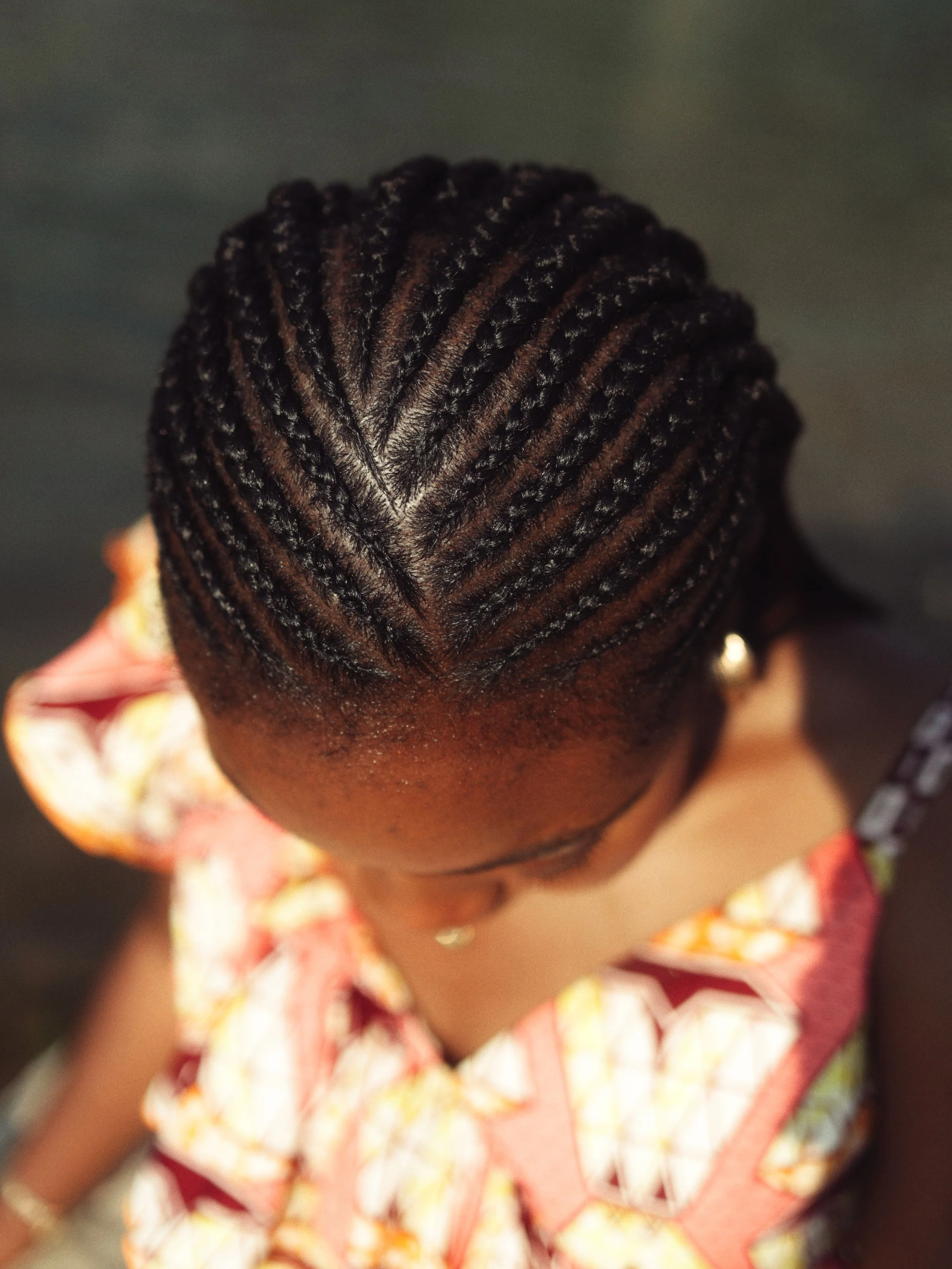
Why are styles like braids and wigs referred to as protective styles?
Keep the natural hair underneath away from moisture, heat, and friction, which is protection from the elements.
Decrease time spent on hair styling day to day, which is protection of your time.
Protective styles as a term popped up in the late 2000s, referring to styles like twists, braids, and bantu knots. While these styles were not new concepts, how people looked at them, especially amid the resurgance of natural hair and natural hairstyles, took on a new form.
What are the benefits of protective styles?
Great way to add variety to your hair routine.
Protective styles have longevity, and can be worn for weeks at a time.
For the new natural, protective styles are used to transition into wearing natural hair more often.
What the natural hair community is saying

Where we stand
We add the extra layer of protection to your protective style.

What does plant-based braiding hair do for your protective style?
Add the extra layer of protection to your protective style with lightweight fibers, three times lighter than synthetic braiding hair.
Ensures moisture can reach your hair in and underneath the braiding hair.
Synthetic braiding hair cannot absorb moisture and actively blocka products like conditioner, mousse, and oils from reaching your hair.
Plant-based braiding hair absorbs products and allows them to penetrate down to your hair.
Protect your edges from extra tension added by heavy synthetic braiding hair fibers.