
When a brand says clinical testing, what are they talking about?
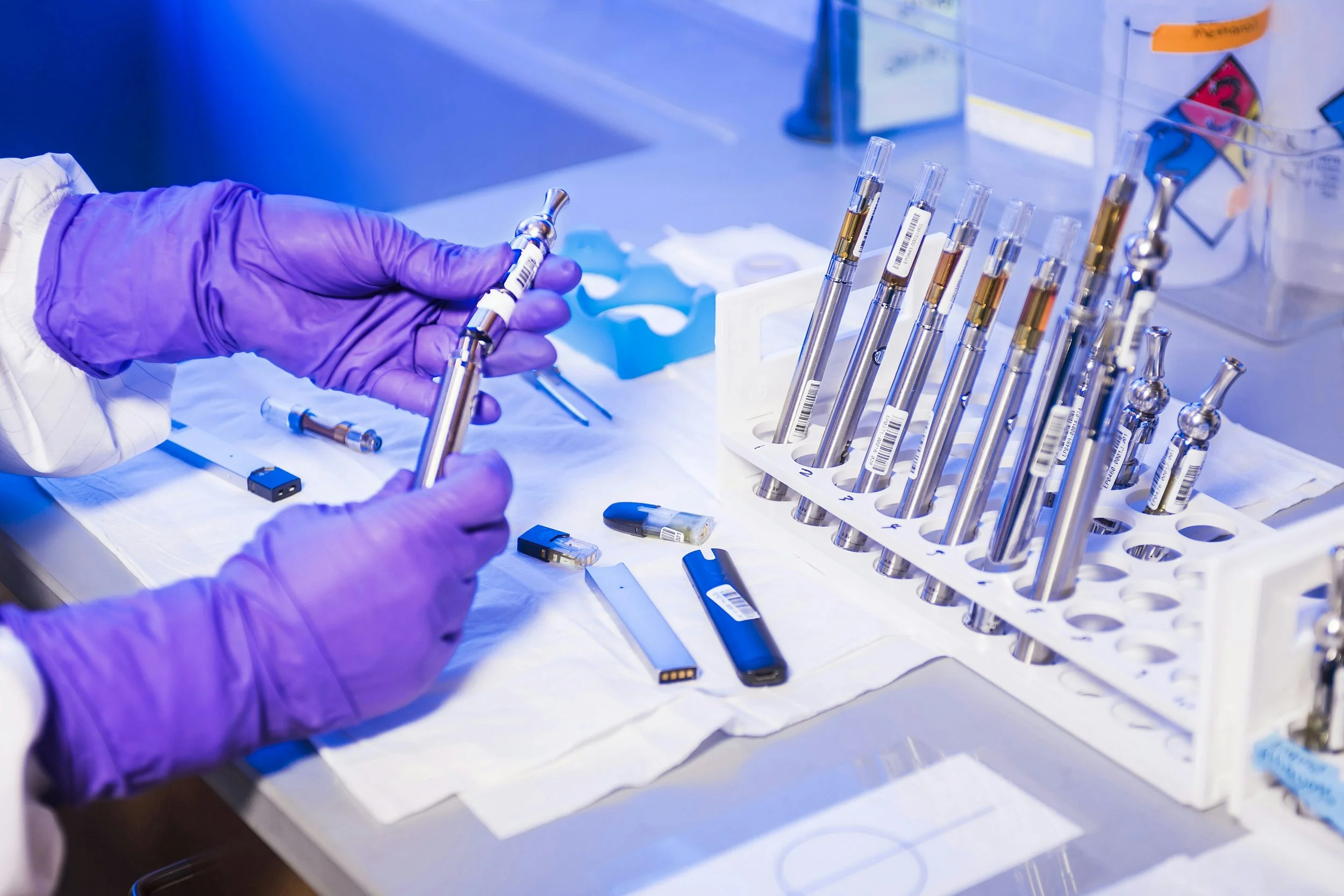
Photo by CDC on Unsplash
Clinical testing. Dermatologist approved. Backed by science. You see them everywhere, but do you know what they mean?
Medical and scientific language is showing up category wide in the beauty industry, whether it’s makeup, skin care, or hair care. This pairing is not new, but certainly has gained steam in recent years.
How can you, the consumer, know what you are getting? What’s happening in a clinical trial? Who are these dermatologists? We’re here to give you a quick primer on how to interpret these labels.

Clinically tested | Clinical testing | Clinical trials
What it is: Testing done to ensure consumer safety for beauty products. This is the type of testing that will check for irritants and anything that will cause damage to the person using the product. Consider how beauty products, especially makeup, are used on sensitive areas like the mouth and eyes. Verifying that these products will not results in acute or chronic health conditions is critical.
Where it happens: These tests typically occur on human subjects in a controlled lab environment.
Why you care: Clinical results means the results are measured, not just observed by the naked eye. Clinical results provide a much greater source of information to rely on regarding a product’s safety claims as they are conducted by third party labs not affiliated with one particular beauty brand.
Dermatologist approved | Dermatologist tested | Dermatologist recommended
What it is: Dermatologists are the go to experts for assessing beauty products as majority of them will be in contact with the skin. Once dermatologists give their take, the words dermatologist approved, tested, and recommended start to pop up.
Where it happens: A dermatologist can lead a rigorous clinical trial on a product, but a dermatologist can also give their opinion on a product on a podcast. Approved, tested, and recommended labels may all lead back to a trusted expert, but they don’t all indicate the same level of investigation into a product.
Why you care: Dermatologists intimate knowledge of how beauty products interact with the skin is valuable to you, especially if you have sensitive skin. Ask for clarity when needed on whether the dermatologist reviewing the product is board certified and how they reviewed it.
Science backed | Backed by science | Scientifically designed
What it is: When a beauty brand has a focus on efficacy and innovative ingredients on top of product testing, science backed is bound to pop-up. There is no exact definition of what this means for a beauty brand, but these are the elements you can expect.
Where it happens: It oftens occurs in the brand’s founding story, with scientists, doctors, dermatologists, and engineers dabbling into the beauty world and creating new solutions based on their background.
Why you care: Science backed means you aren’t getting a formula that was just tossed together, but one that was made with purpose and verified to work.
Where We Stand
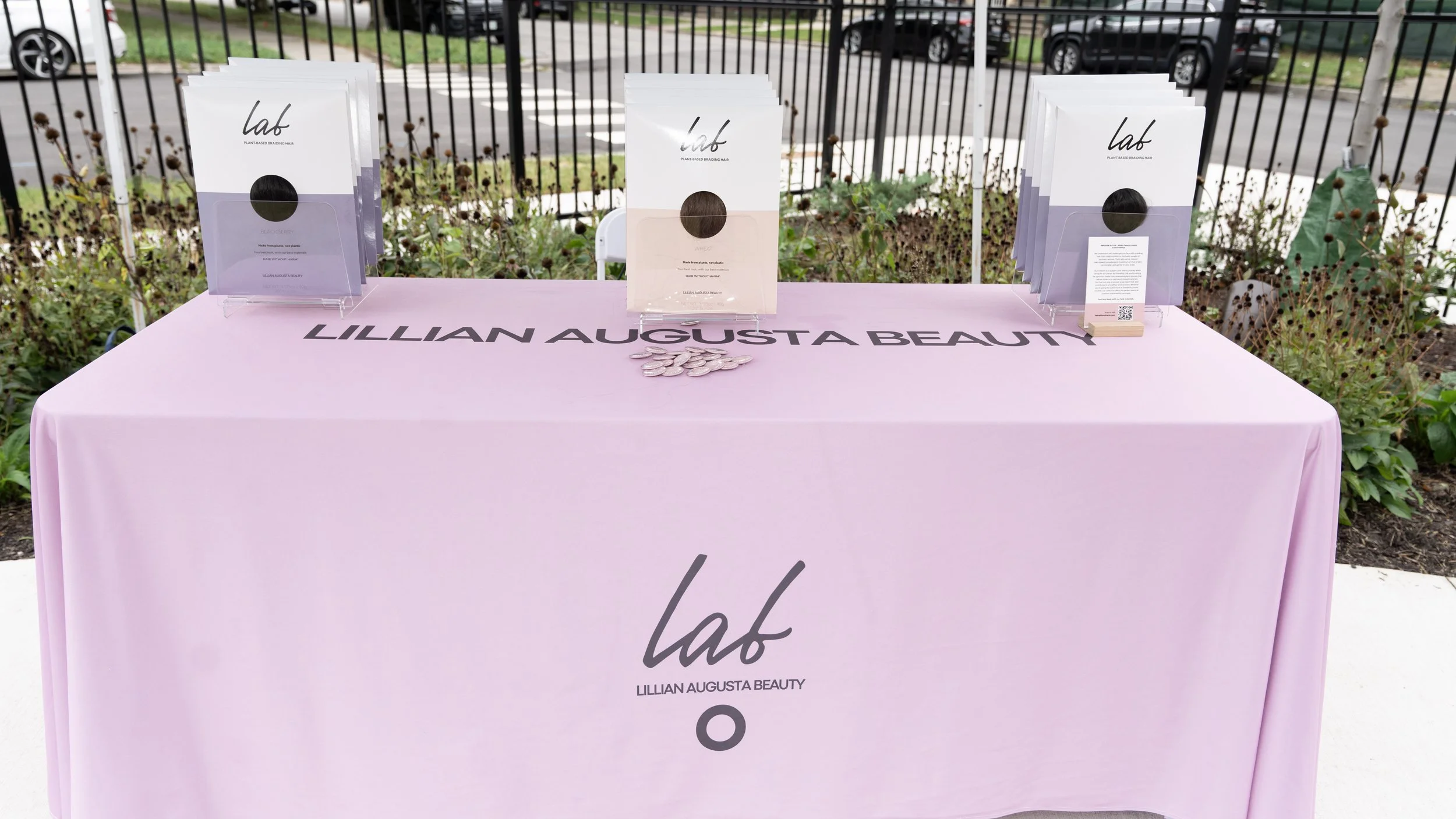
At Lillian Augusta Beauty, we use a variety of these labels to convey to our customers that our braiding hair is a hair extension they can wear with confidence. For us, testing with third parties and internally is incredibly important. Synthetic braiding hair cause itchiness, irritation, and allergic reactions because of a historic lack of testing, proper ingredient selection, and regulation.
How does Lillian Augusta Beauty test braiding hair?
Allergen testing
Toxicology testing
Heavy metal testing
Volatile organic compounds testing
All of Lillian Augusta Beauty’s testing is overseen by board certified dermatologists and our results all show that our braiding hair is safe to wear. Additionally, we provide our testing results to anyone seeking to confer with their doctor or dermatologist before purchase.
Hair extensions should be safe for all, especially for those who have to take extra precautions because of eczema, seborrheic dermatitis, sensitive skin, skin cancers, or existing known allergies.
Ready for better, safer braiding hair?