
Are braids a hairstyle, a coding language, or a a geometry lesson? Two professors looked at braided hairstyles and saw much more than the hair itself.
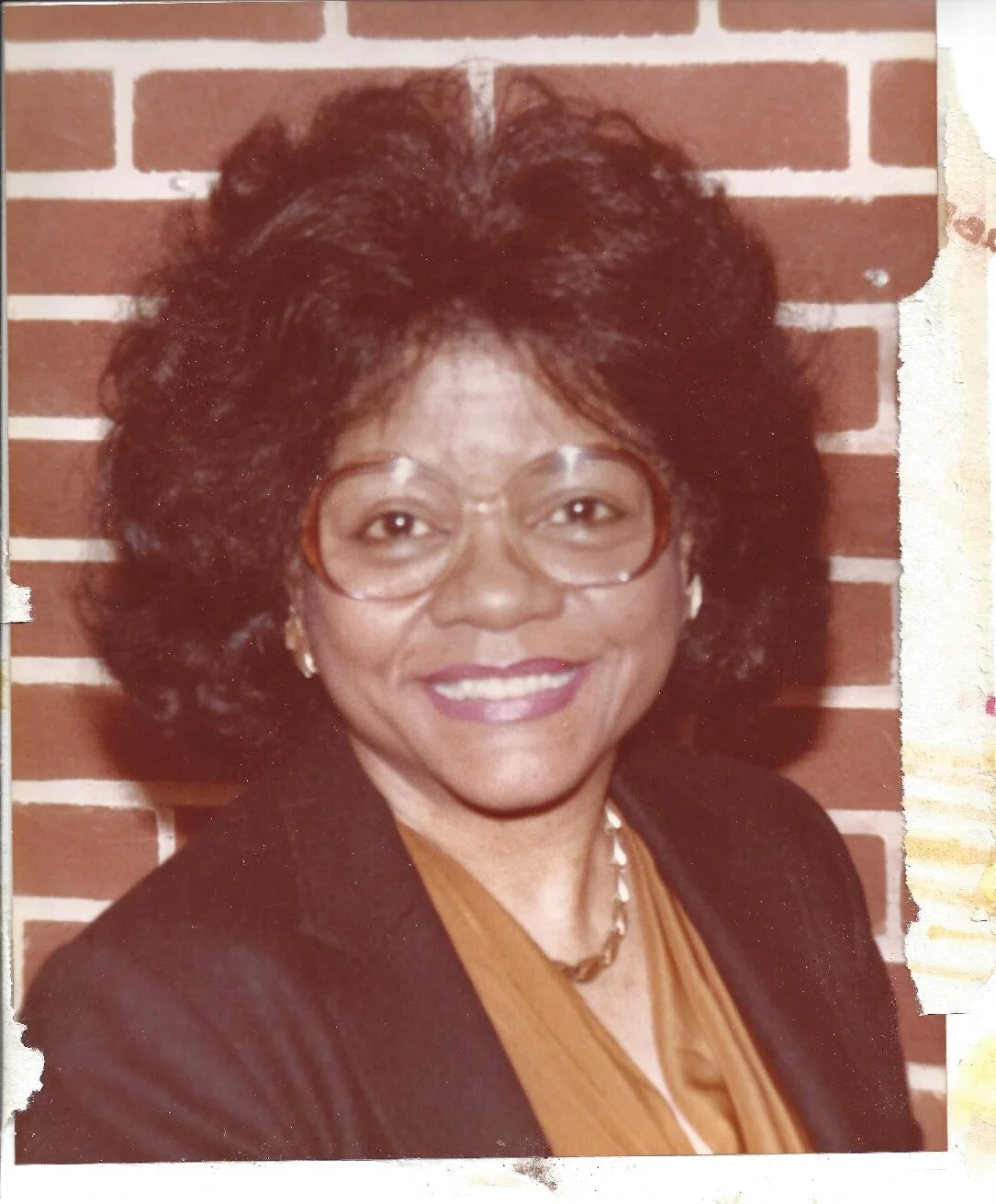
Dr. Gloria Ford Gilmer, the first Black mathemetician to be recognized in the Library of Congress, specialized in ethnomathematics, which is the connection of math to culture. In her research, she noticed the geometric shapes in braids, from parts on the scalp to the braids themselves. Honeycomb, pineapple, and brick tesselations were clearly visible to her in these hairstyles. She used braids as a reference in her classrooms to explain mathematical concepts to her students during the 1960s.
“Hair becomes a double edged sword. We need to make children feel good about themselves and teach them mathematics to empower them. Why not use a tool that does both.”
— Dr. Gloria Ford Gilmer
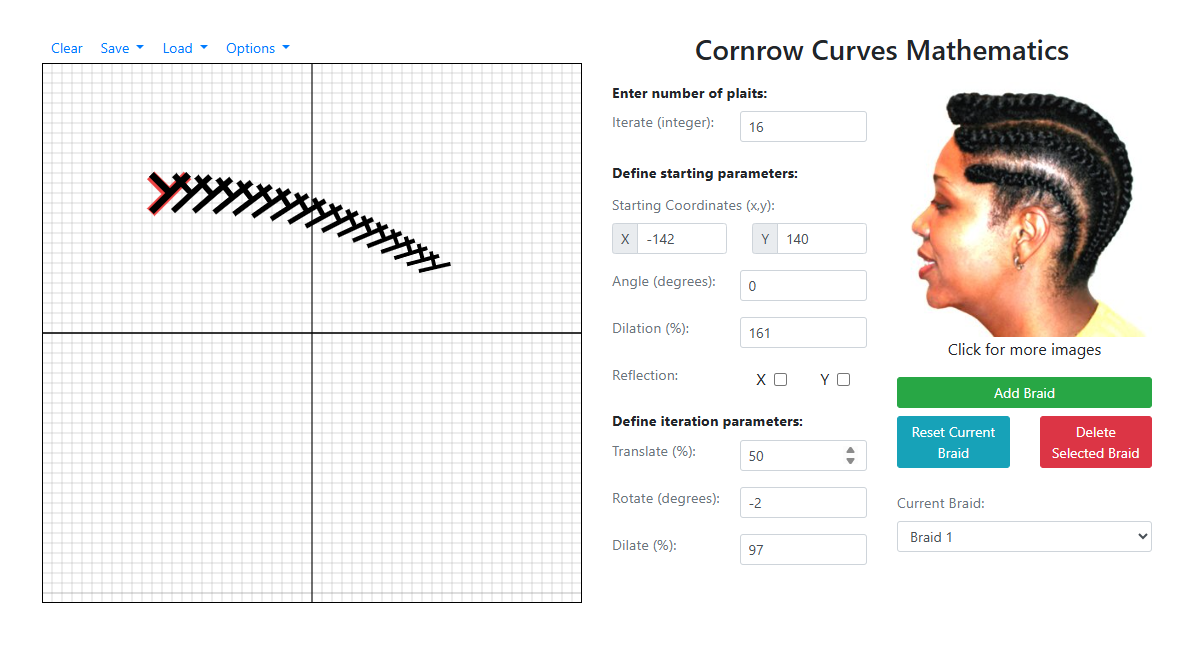
In the 21st century, Dr. Ron Eglash at the University of Michigan took this connection a step further, building a curriculum to teach computer programming, math, 3D printing, animation, and more based on the patterns in braids. His program, Culturally Situated Design Tools (CSDT), is a free online resource for teachers, students, and curious minds to learn new skills with braids as a reference.
“Braiding was literally a brilliant innovation that has lasted and changed through the millennia.”
— Dr. Ron Eglash
The CSDT team takes their program to high schools, salons, and cosmetology schools nationally and internationally and teaches mathematical and tech skills with braids as a point of reference. Laying braids on graphs, coding braid styles with zigzag patterns, and writing your own secret language in braids are all possible with CSDT.
Students also get the historical context of braids, with sections of the curriculum teaching how braids manifested in Africa, the Middle Passage, hip hop culture in the United States, and afrofuturism. CSDT was even included in Samuel L Jackson’s Enslaved, a six-episode docuseries that explores 400 years of human trafficking from Africa to the New World, to examine fractals in West African architecture.
If you are into math or computer science, or simply curious about learning new math and computer science skills, check out CSDT and try some of their tutorials and software.