
Cornrows or canerows? Textured hair across the diaspora
Black Americans, Afro Latinas, British Nigerians, and many more. Textured hair exist worldwide. While our styles may look the same, our names for them differ from place to place. Naming styles comes from references in a particular region: language, landscape, well known people associated with a hairstyle, or braiding techniques.
Let’s dive into one particular braiding style and how its name evolves across the globe.
Cornrow
The cornow refers to braids with three strands done close to the scalp. The style is referred to as cornrow in the Americas, as the braids mirror the layout of corn rows on plantations during slave trade. Notably, cornrows were used to store foodstuffs for those setting out on a journey to escape plantations and head north. Cornrows provided resilience. On the side, variety in cornrow hairstyles were used to identify runways, and shaving hair was used as a punishment by slave masters.
In the Carribbean and United Kingdom, cornrows are canerows. Similar to naming cornrows after rows of corn on plantations in the America, canerows are named for rows of sugarcane on plantations as well. The climate and soil in the Americas was mostly unsuitable for sugarcane, excepting parts of the deep south, thus canerows was not adopted as a name for this hairstyle in the United States. Cornrows and canerows have a storied history for enslaved Africans; these hairstyles were lifelines, punishments, and bodily autonomy all at once.
Before cornrows or canerows, ‘kolese’ was the name for this style, from the Yoruba language of West Africa. Didi braids is another term used to refer to kolese in Nigeria, along with all back/straight back, which can also be found as a name for this style in South Africa. For freehanded, curved and asymmetrical all backs, South Africa distinctly calls this snoopy or snoopy braids.
In Kenya, this style is called back to school lines, describing the universal experience of getting your hair done before a new school year begins. A similar name, backlines or backline essence, is popular in South Africa and Lesotho. Another variation, pencil lines, is used in Malawi.
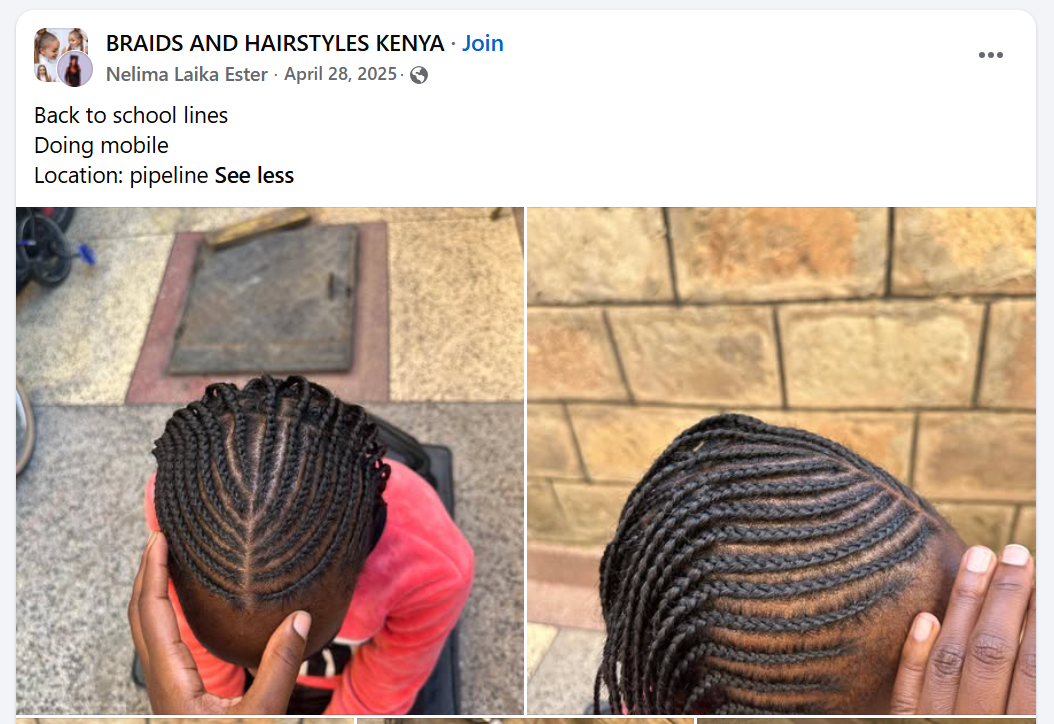
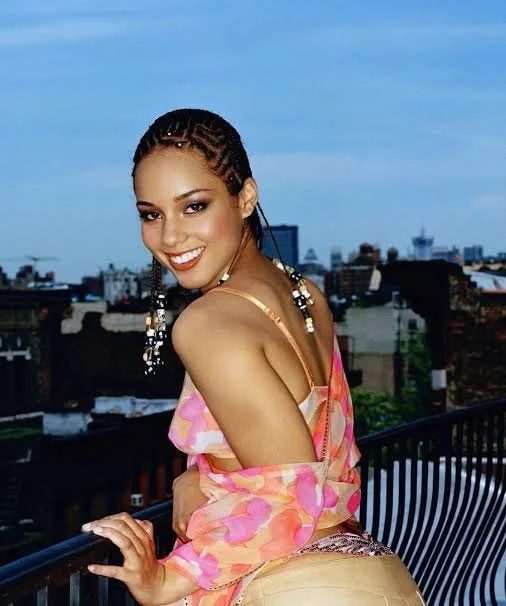
This style expands the diaspora, with varying names in the respective native and imported languages. In our ever connecting global hair community, names jump around and transform, where a country may pick up an English name for the style, or a famous person becomes strongly affiliated with the style and the style gets renamed after them (hence Alicia Keys braids in the 2000s).
Different Languages
Here’s a small cross section of what cornrows translate to in other languages.
Mukule/tupomba - Zambia
Mithea/Mosodo - Kenya
Bakafinga - Suriname
Corridas - Angola
Bakala - Cameroon
Kenro - Grenada
Ti kouri - Haiti
Anagoda - Togo
Trenzas pegadas - Spanish speaking countries, such as Panama, Mexico, and Ecuador
Trança nagô - Brazil